The Iranian Arena
Over the weekend (March 27–29), Israel continued extensive strikes across Iran, focusing on targets of strategic, military, and nuclear significance. Among the targets struck were the University of Science and Technology in Tehran, military industries used for the production of weapons, sites for the production of ballistic missile components and anti-aircraft missiles, as well as a site belonging to the Iranian Ministry of Defense that was used for the development and production of advanced explosive devices and for supplying weapons to the regime’s proxies, including Hamas and Hezbollah.
In addition, steel plants in Isfahan (Mobarakeh Steel) and Ahvaz (Khuzestan Steel) were struck. These are considered among the largest plants in the country and constitute a vital component of Iran’s military industry. These plants are partially owned by the Islamic Revolutionary Guard Corps.
At the same time, damage was reported to key nuclear infrastructure, including the heavy water facility in Arak, which serves as infrastructure for the production of plutonium for nuclear weapons, as well as a facility in Ardakan in Yazd for the production of “yellowcake,” a raw material required for the uranium enrichment process. An additional strike was carried out on the nuclear power plant in Bushehr, alongside damage to an Iranian Air Force base in the city.
It was also reported that a water reservoir with a capacity of tens of thousands of cubic meters in the city of Haftgel in Khuzestan Province was struck. In addition, the IDF struck the headquarters of the Iranian regime’s maritime industries organization, which is responsible for the research, development, and production of various naval weapons systems, including surface and underwater vessels, manned and unmanned systems, as well as engines and weapons.
Furthermore, it was reported that the IDF struck mobile command centers established in mobile rail cars, after most of the Iranians’ fixed command centers had been hit during the war. Additional strikes were reported in Parchin, Karaj, Shiraz, and Tabriz.
According to a Reuters report, the U.S. military has for the first time deployed autonomous unmanned boats at sea for intelligence collection purposes, which may also be used as suicide vessels for attack missions.
Eliminations
Reports in Iran indicated the elimination of Ali Pouladvand, head of research at the Organization of Defensive Innovation and Research (SPND), in a strike in the city of Borujerd.
According to Iranian opposition channels, nuclear scientist Mohammad Reza Kia was also eliminated over the weekend.
Additionally, reports indicated the eliminations of General Jamshid Eshaqi, head of the budget department of the Iranian army, as well as Ayatollah Mohammad Taqi Jannati, brother of Ayatollah Ahmad Jannati, who was considered a former close associate of Supreme Leader Ali Khamenei.
Iranian Activity in the Region:
Saudi Arabia – On the night between Friday and Saturday (March 28), Iran attacked Prince Sultan Air Base in Saudi Arabia, marking the second attack on the base that week. In the two attacks combined, at least 29 American soldiers were injured, five of them seriously.
In the second attack, several refueling aircraft were damaged. According to a report in The Wall Street Journal, one of the aircraft hit was an E-3 Sentry, used for airborne control and early warning against missile and UAV launches at ranges of hundreds of kilometers.
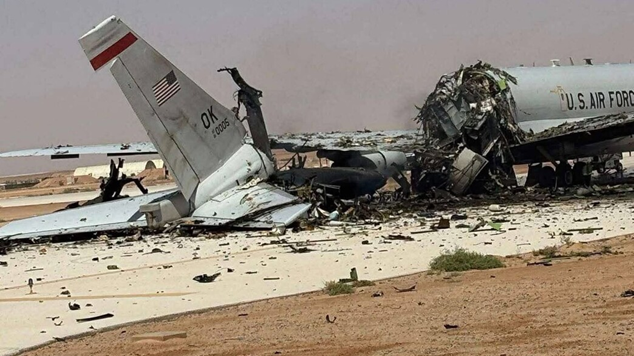
At the same time, the Saudi Ministry of Defense announced that ten UAVs were intercepted in the past 24 hours.
Bahrain – The Bahraini army reported that on March 28, 20 missiles and 23 UAVs launched toward the country were intercepted, alongside damage to Bapco energy facilities. The Islamic Revolutionary Guard Corps announced that it had targeted the ALBA plant in Bahrain using missiles and UAVs.
Oman – The port of Salalah was attacked.
Kuwait – The international airport was attacked, and significant damage was caused to the radar station following several UAV strikes.
United Arab Emirates – Reports indicated strikes in Dubai and Abu Dhabi. The Islamic Revolutionary Guard Corps announced that it had targeted the EMAL aluminum plants in the UAE. The UAE Ministry of Defense reported that in the past 24 hours, 16 ballistic missiles and 42 UAVs were launched from Iran. Since the beginning of the campaign, 414 ballistic missiles, 15 cruise missiles, and 1,914 UAVs have been launched toward the UAE.
The Islamic Revolutionary Guard Corps stated that following the strike on the University of Science and Technology in Tehran, all “Zionist” and American universities are considered legitimate targets from their perspective.
Iraq
A UAV attack against American targets in the city of Erbil in northern Iraq was reported. In addition, an Iraqi officer of a rank equivalent to a lieutenant colonel was killed in Nineveh Province in a U.S. strike, with a total of two killed and six wounded among the Iraqi army in that attack.
The Israeli Arena
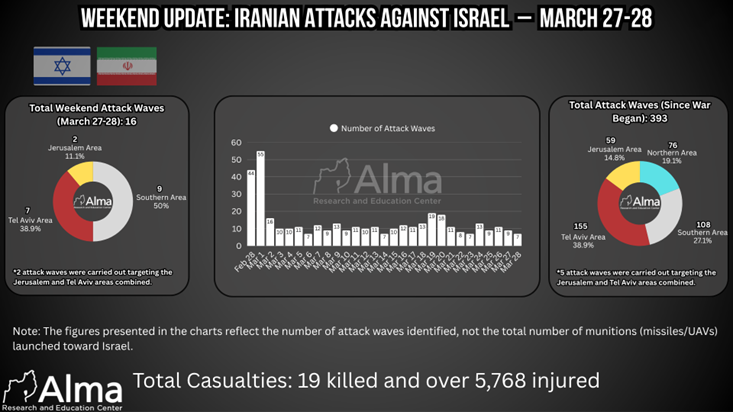
Over the weekend (March 27–28), 16 Iranian attack waves against Israel were identified, carried out using ballistic missiles.
Geographically, the attacks were distributed across several key areas:
9 attack waves (50%) were directed at southern Israel.
7 attack waves (38.9%) targeted the Tel Aviv area.
2 attack waves (11.1%) were directed at the Jerusalem area.
It should be noted that two attack waves were jointly directed at both the Tel Aviv and Jerusalem areas.
During the weekend, impacts were recorded in civilian areas, including strikes in the city of Tel Aviv, which resulted in the death of one Israeli civilian (March 27).
There were also impacts in the cities of Rosh HaAyin and in the Beit Shemesh area, where three people were injured. In addition, a strike was reported in an open area in Eilat.
It should be noted that on Saturday, March 28, the Houthis—an Iranian proxy—joined the fighting and carried out two attacks against Israel: the launch of a missile toward the southern region, as well as the launch of a UAV and a missile toward the Eilat area. One missile was intercepted over the Red Sea and did not reach Israeli territory.
Since the beginning of the campaign, a total of 393 Iranian attack waves against Israel have been identified. In cumulative distribution, the central region, particularly the Tel Aviv metropolitan area, continues to be the primary target, alongside an ongoing expansion of efforts toward southern Israel.
Since the beginning of the war, 19 civilians have been killed in Israel, and more than 5,768 people have been injured to varying degrees as a result of direct hits, falling interception debris, and secondary damage. In addition, extensive damage has been caused to residential buildings and civilian infrastructure, and the ongoing fire continues to disrupt daily life.
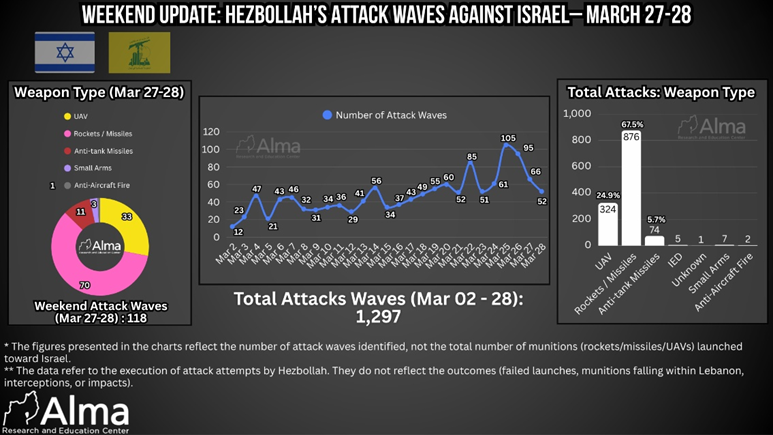
Over the weekend (March 27–28), 118 Hezbollah attack waves against Israel were identified, indicating continued high-intensity activity.
During the weekend, one IDF soldier was killed and several additional soldiers were wounded during IDF operations in southern Lebanon against Hezbollah, reflecting the ongoing direct friction between the forces and the organization’s effort to target IDF troops in the Lebanese arena.
Geographic distribution of the attacks:
34 attacks were directed at a range of 0–5 km—toward border communities.
11 attacks were directed at a range of 5–10 km.
6 attack waves were directed at a range of 10–20 km—toward the Haifa area, the Krayot, Misgav, Hatzor HaGlilit, Safed, and nearby communities.
One UAV attack reached the Yokneam area.
It also emerges that 66 of the attacks over the weekend were attacks for which Hezbollah claimed responsibility against IDF forces operating against it in Lebanon. These attacks were carried out using a combination of indirect fire (rockets), anti-tank missiles, suicide UAVs, as well as three incidents of small arms fire during clashes.
Hezbollah is concentrating its efforts on directly targeting IDF forces in the Lebanese arena, while at the same time maintaining continuous fire toward the civilian rear in Israel.
Lebanon and Hezbollah
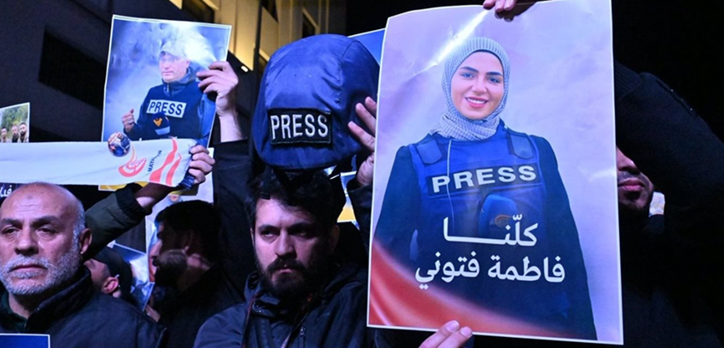
On March 28, the IDF carried out a strike and eliminated Ali Hassan Shuaib, who for many years (at least since 2006) served as an intelligence asset for Hezbollah while exploiting his work as a journalist for the Al-Manar network (affiliated with Hezbollah) for intelligence collection against the IDF. Alongside him, Al-Mayadeen correspondent (identified with Hezbollah) Fatima Fattouni and her brother, Mohammad Fattouni, who served as a cameraman, were also killed.
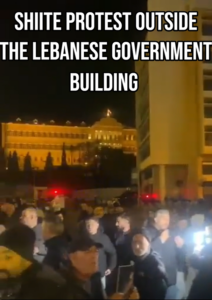
Lebanese President Joseph Aoun condemned the strike, stating that it constituted a violation of international law, as according to him Israel targeted journalists who are civilians performing their professional duties. Following the incident, a large demonstration took place that evening in Beirut, during which protesters gathered in Martyrs’ Square and marched toward the government buildings area. During the demonstration, chants were heard against Israel, the United States, and the Lebanese prime minister, and the event carried a political character alongside messages of solidarity with the dead.
At the same time, the crisis surrounding the Iranian ambassador to Lebanon, Mohammad Reza Shibani, who was declared persona non grata, continues. The leader of the Lebanese Forces party, Samir Geagea, called on the security apparatus to implement the Lebanese Ministry of Foreign Affairs’ decision to expel the ambassador, a decision made in coordination with the president of Lebanon and the prime minister.
In contrast, Hezbollah Member of Parliament Hussein al-Hajj Hassan stated that the ambassador would not leave the country despite the ultimatum. An official Lebanese source stated that Lebanon is aware that the ambassador is expected to remain and appeal the decision with the support of Hezbollah and Speaker of Parliament Nabih Berri. According to reports, if he remains in the embassy, his status may resemble that of a person with restricted movement, as the Lebanese state cannot act within the embassy grounds but may take measures if he leaves it.
Over the weekend, the IDF struck dozens of targets in southern Lebanon, including weapons storage facilities, launchers, military structures, and Hezbollah infrastructure.
As part of ground operations, an active underground combat complex of Hezbollah was located within a church compound in the village of al-Khiam. This site was first identified in December 2024 and cleared, but recent searches uncovered three additional shafts that were constructed during the ceasefire period.
In addition, the IDF struck a gas station belonging to the Al-Amana network affiliated with Hezbollah in the al-Jnah area of Dahieh.
In Beirut, Ayyoub Hussein Yaqoub and Yasser Mohammad Mubarak were eliminated over the weekend, both senior figures in Hezbollah’s liaison unit, with Mubarak also serving in a role within the organization’s missile unit.
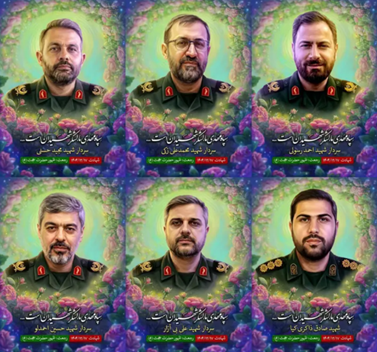
On March 28, Iran announced that six of its diplomats were killed in Israeli strikes in Lebanon, claiming that their residence had been targeted. The Iranian Ministry of Foreign Affairs condemned the incident, describing it as a violation of international law, and announced its intention to pursue legal and international channels against those responsible. Iranian news agencies stated that the dead belonged to the Islamic Revolutionary Guard Corps.
Syria
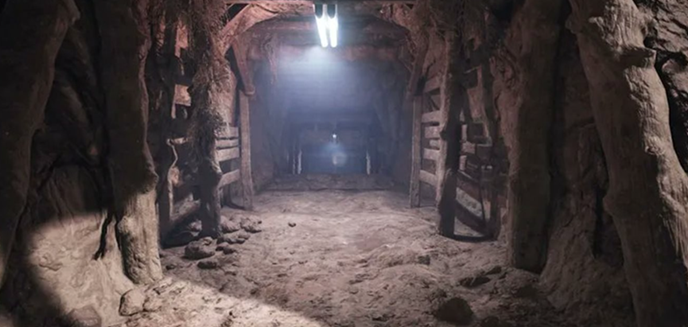
On March 28, it was reported that the Syrian army located and closed a tunnel connecting Syria and Lebanon near Hosh al-Sayyid Ali, west of Homs. In addition, an attempt to smuggle Captagon from Lebanon into Syria was thwarted following an exchange of fire with smugglers.
On March 29, the Syrian Ministry of Defense announced that the Syrian army had located another tunnel that had been used by Hezbollah and served for smuggling.
At the same time, Syrian President Ahmad al-Sharaa clarified that Syria has no intention of entering the Beqaa militarily, and that its efforts are focused on addressing internal security threats.
The International Arena
The Pakistani Foreign Minister announced that the Iranian government had agreed to allow the passage of 20 additional vessels under the Pakistani flag through the Strait of Hormuz. According to him, this gesture represents a significant step toward peace and strengthens joint efforts to promote stability, emphasizing that dialogue, diplomacy, and confidence-building measures are the only way forward.
In addition, according to a report by Al Jazeera, the Prime Minister of Thailand announced an agreement between Bangkok and Tehran allowing Thai vessels to pass through the Strait of Hormuz.
Ukrainian President Volodymyr Zelenskyy claimed that Russia provided Iran last week with updated satellite imagery of Prince Sultan Air Base in Saudi Arabia, following the Iranian strike on the site.
Ukraine and Qatar signed an agreement that includes, among other things, the exchange of knowledge and expertise in missile and UAV interception. As part of his diplomatic activity, Zelenskyy also visited Saudi Arabia and the United Arab Emirates, where he met with UAE President Mohammed bin Zayed.
Russia, for its part, warned Israel and the United States against carrying out strikes on nuclear power plants.
According to a report by the British newspaper The Times, the United Kingdom is expected to send the amphibious landing ship RFA Lyme Bay in order to assist in reopening the Strait of Hormuz. The vessel is equipped with a fleet of drones intended to assist in clearing naval mines.
German Foreign Minister Johann Wadephul stated during the G7 meeting in France (March 27) that there is no disagreement with the United States on the Iranian issue and emphasized that Iran must not be allowed to obtain nuclear weapons or pose a regional threat. He also added that no request has been made, nor currently exists, from the United States for German military assistance prior to the end of the war. However, German Chancellor Friedrich Merz expressed criticism of the conduct in the Iranian arena, stating that the United States and Israel are becoming increasingly entangled in the conflict and that, in his view, they lack a clear strategy.
The advisor to the President of the United Arab Emirates, Anwar Gargash, denied reports regarding possible UAE military involvement in the war against Iran. In a post on the platform “X,” he stated that although the UAE has been subjected to indiscriminate Iranian attacks in recent weeks that endanger civilian lives, a political solution is the guarantee for long-term regional stability, rather than temporary solutions that could lead to prolonged instability.